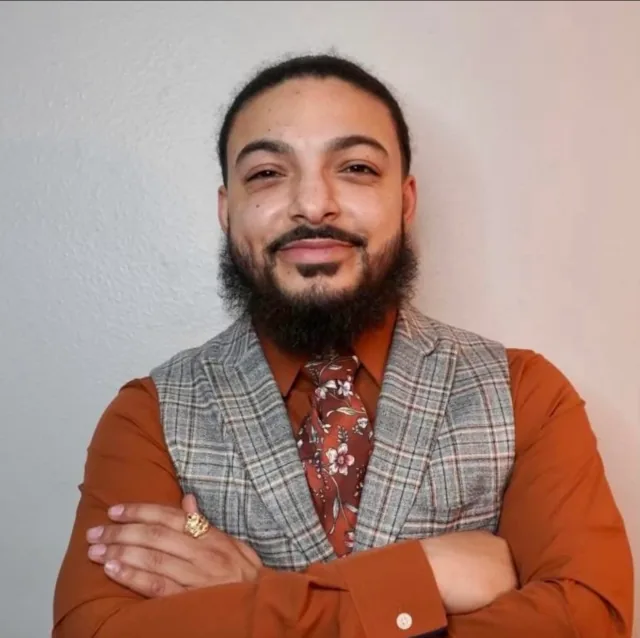
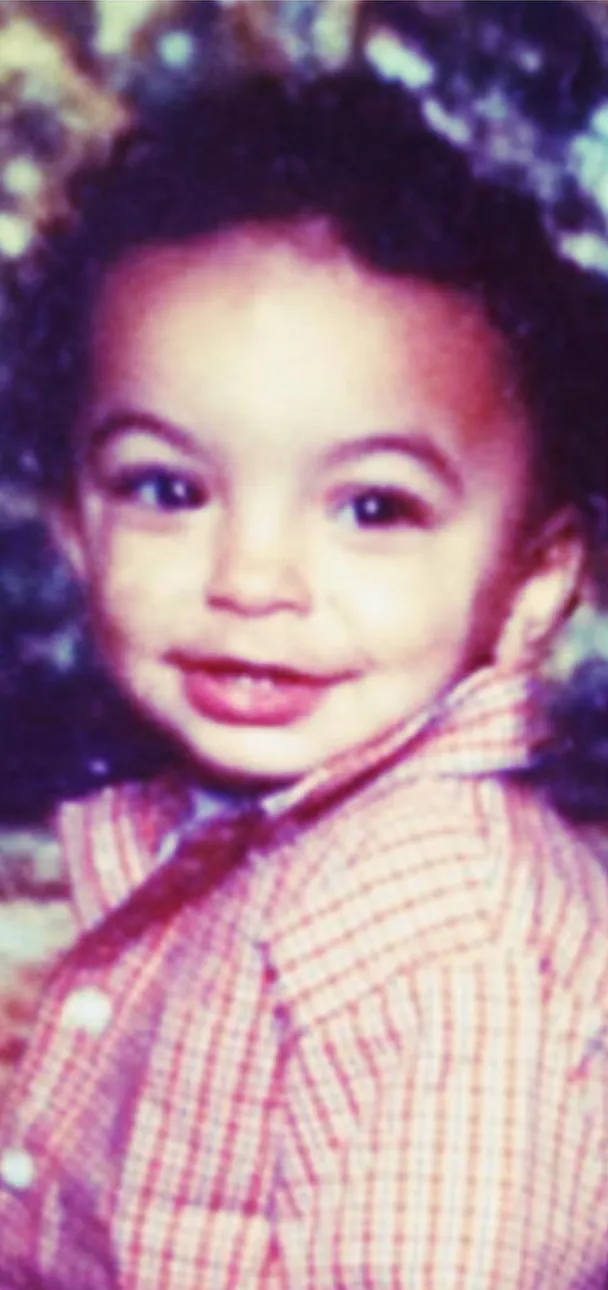
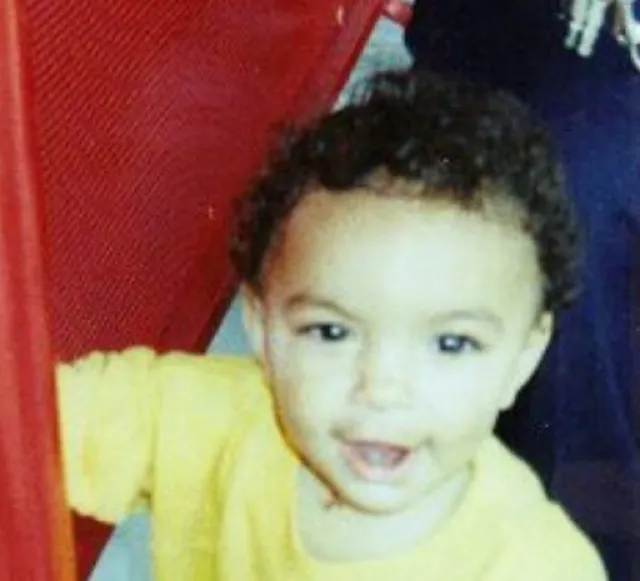
Eighteen months old
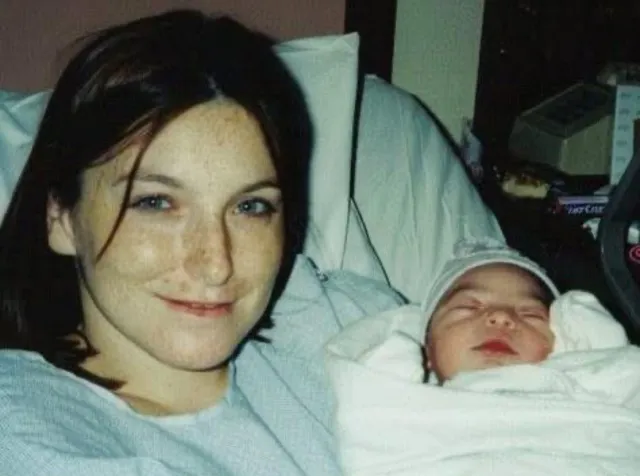
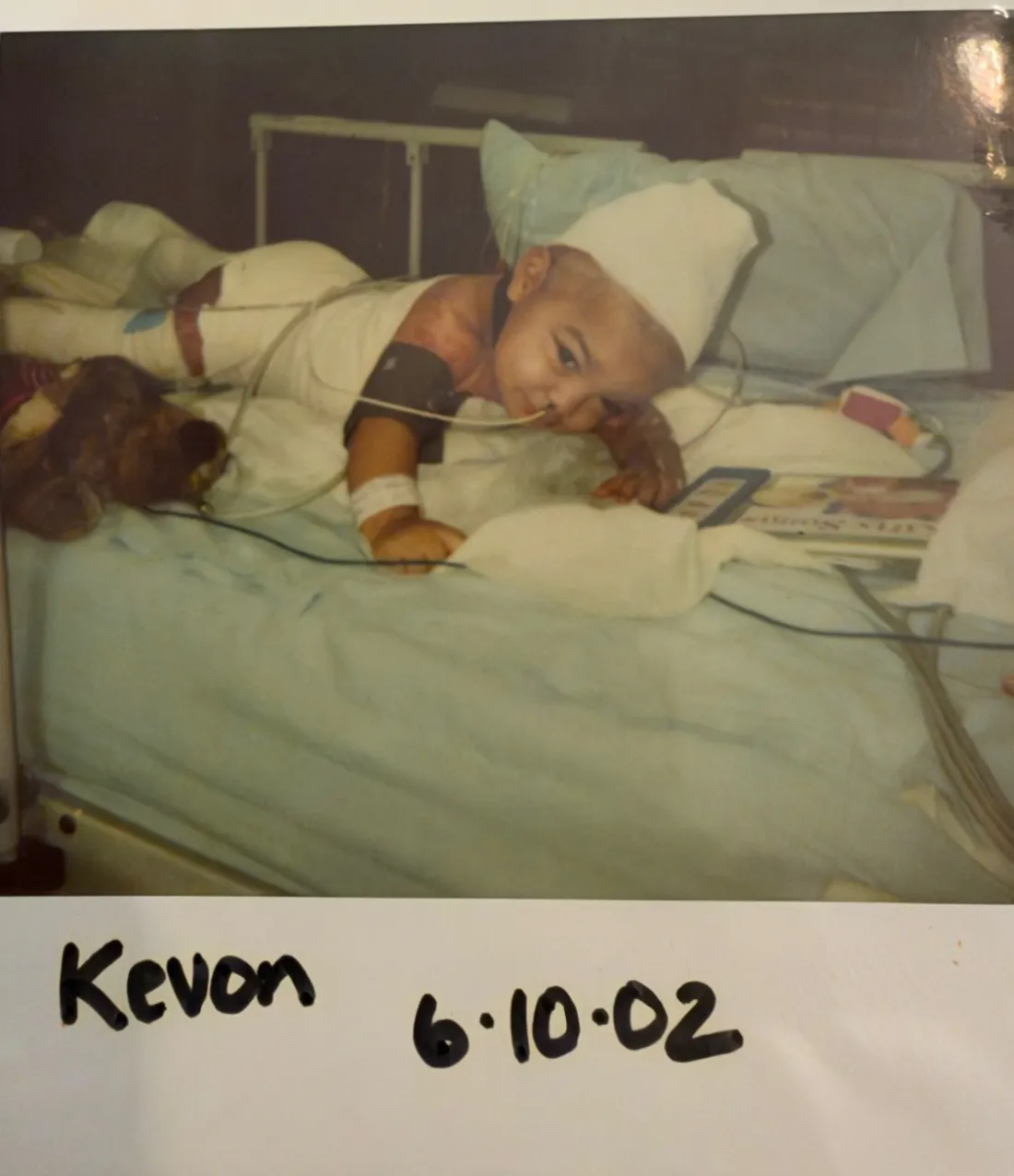
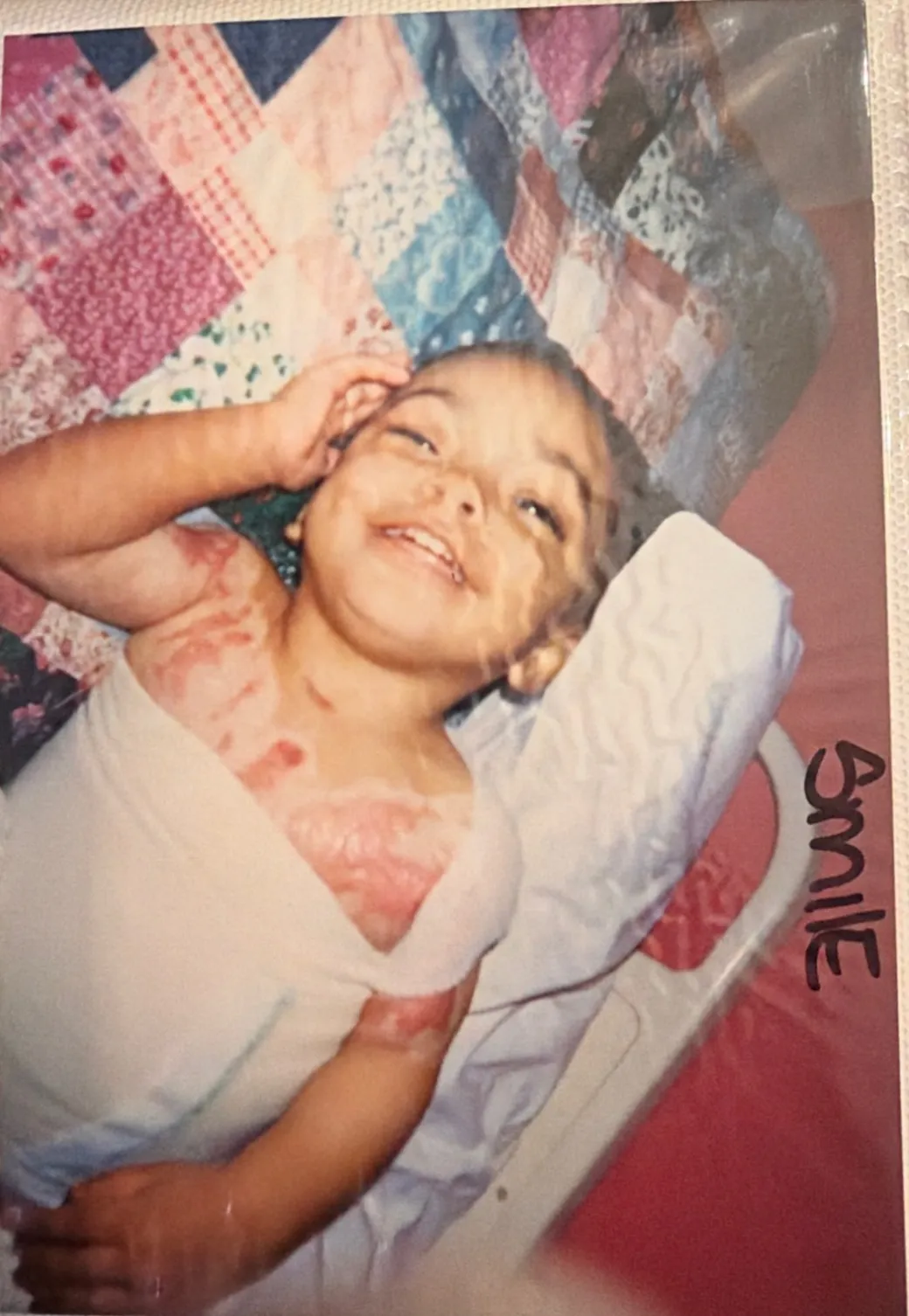
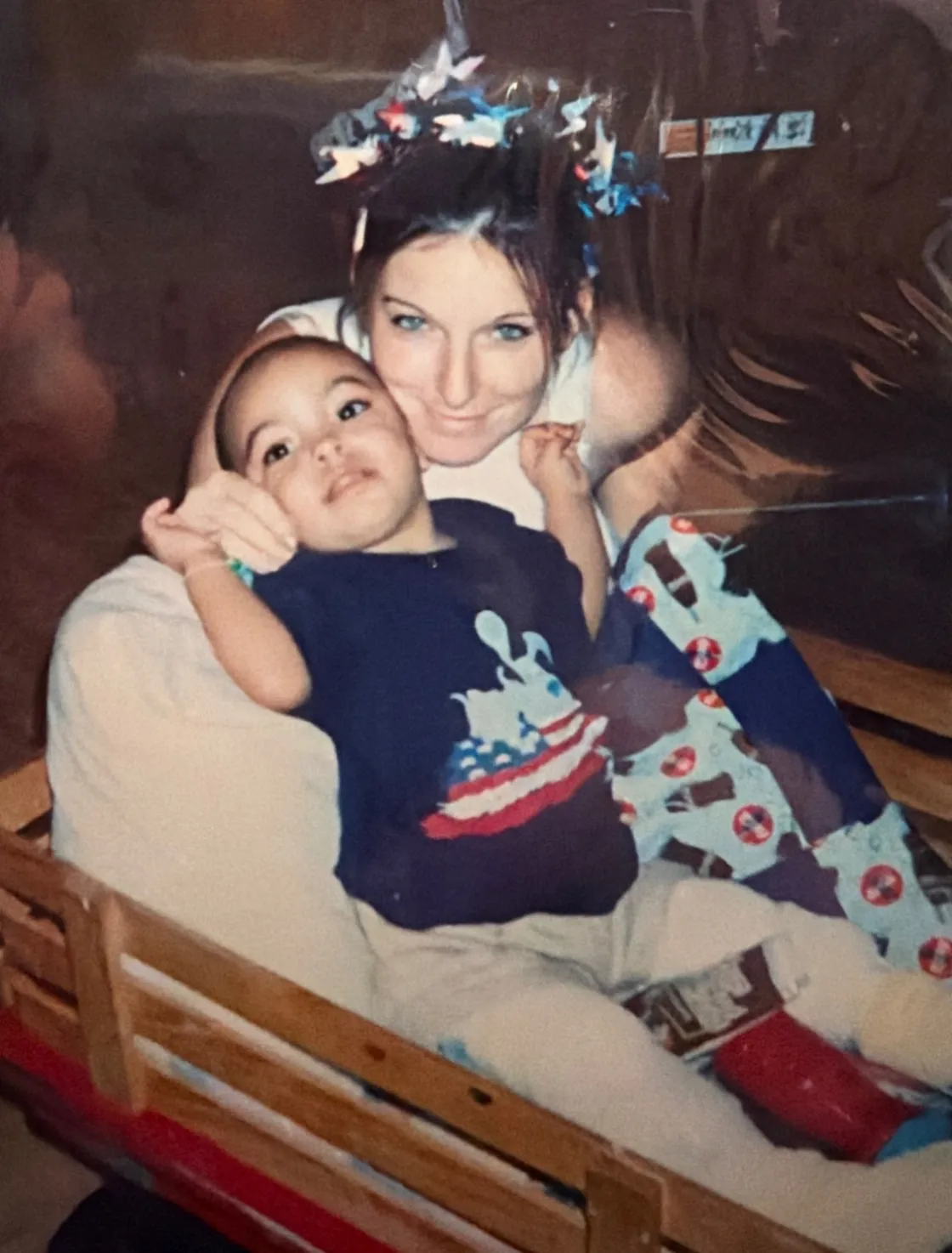
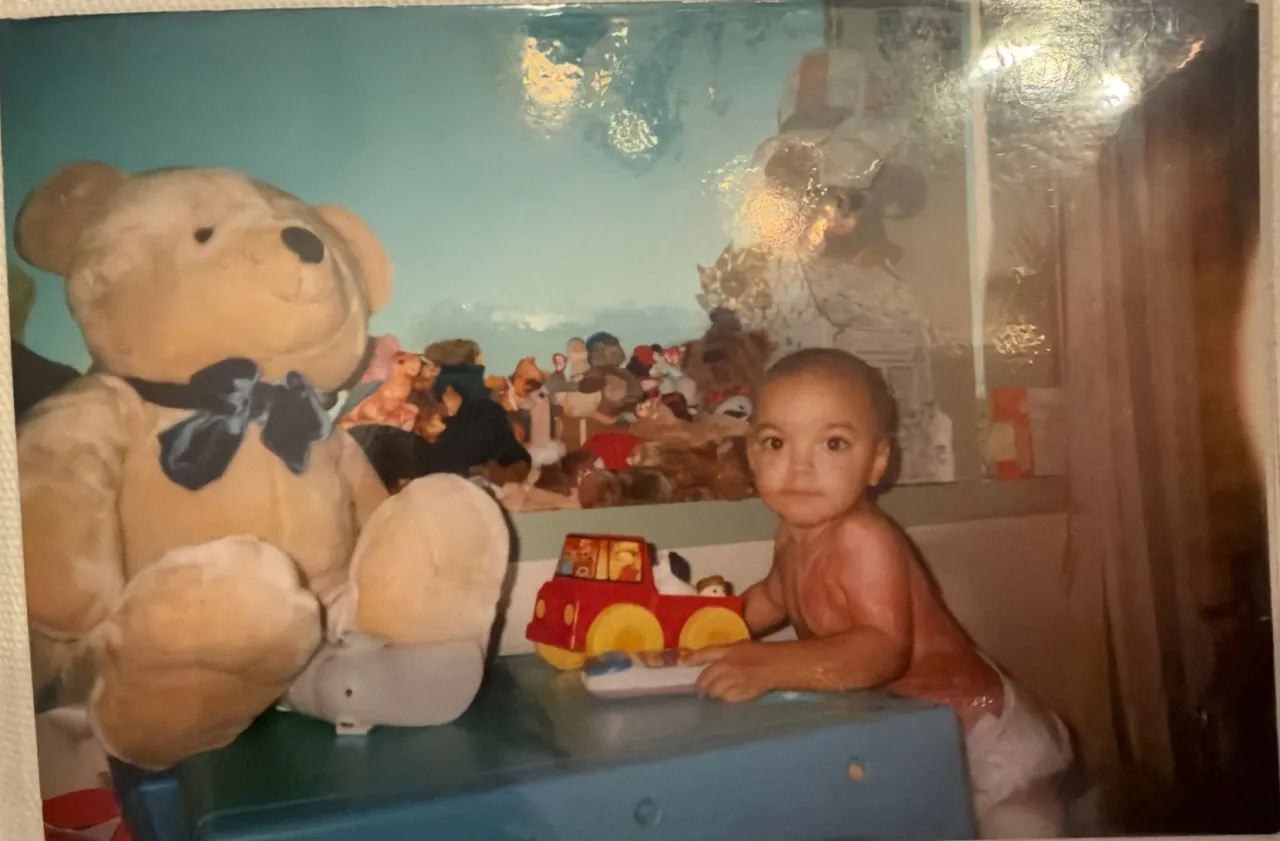
I was 18 months old. My mom had to go to work, so a babysitter was watching me. She was giving me a bath when the water heater in our apartment complex broke. The water burned her hand. It burned 80% of my body. Third-degree burns.
The doctors told my mom I would be paralyzed. Brain dead. Stuck in a bed, never able to move. They weren’t being cruel. They were being honest with what they knew.
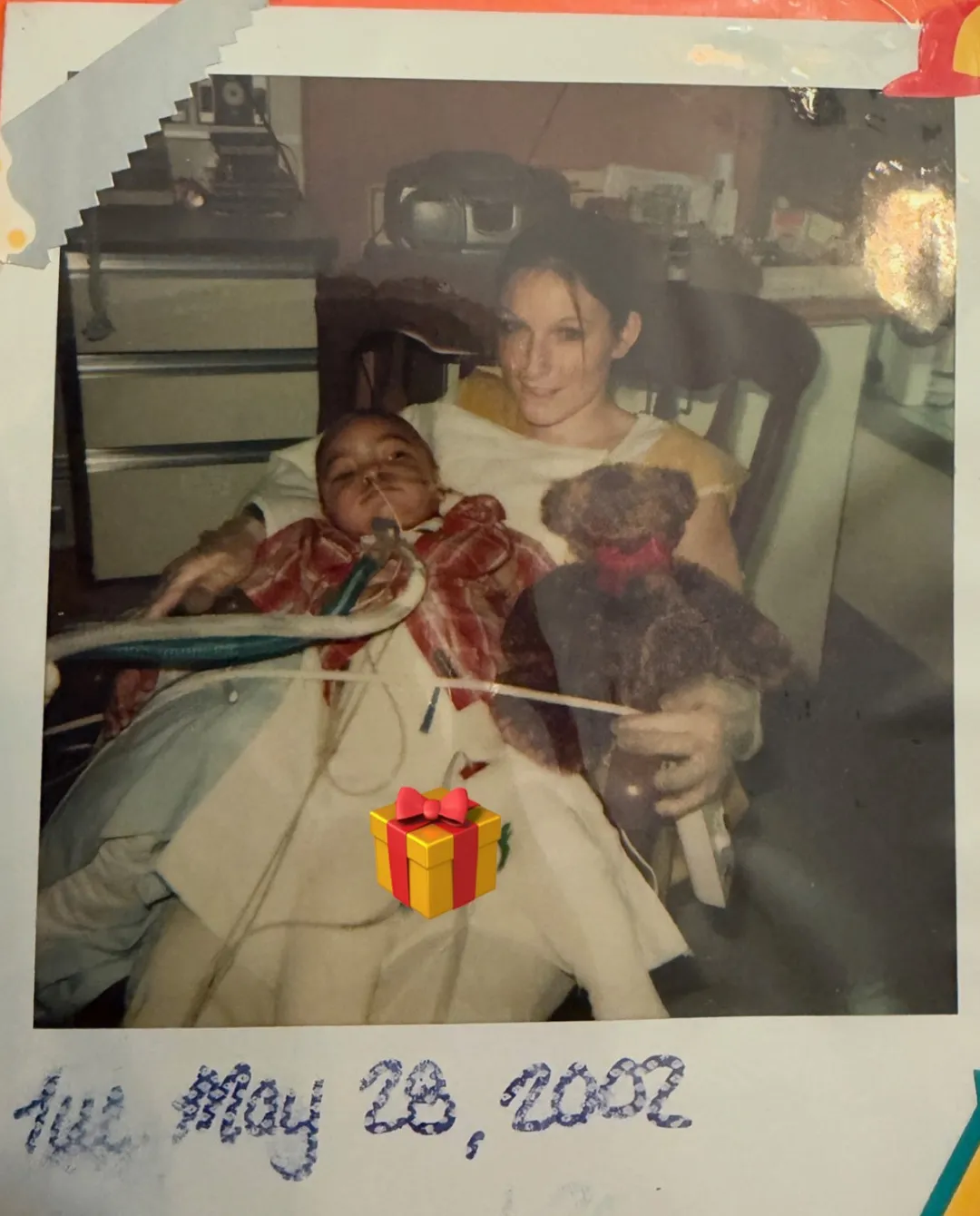
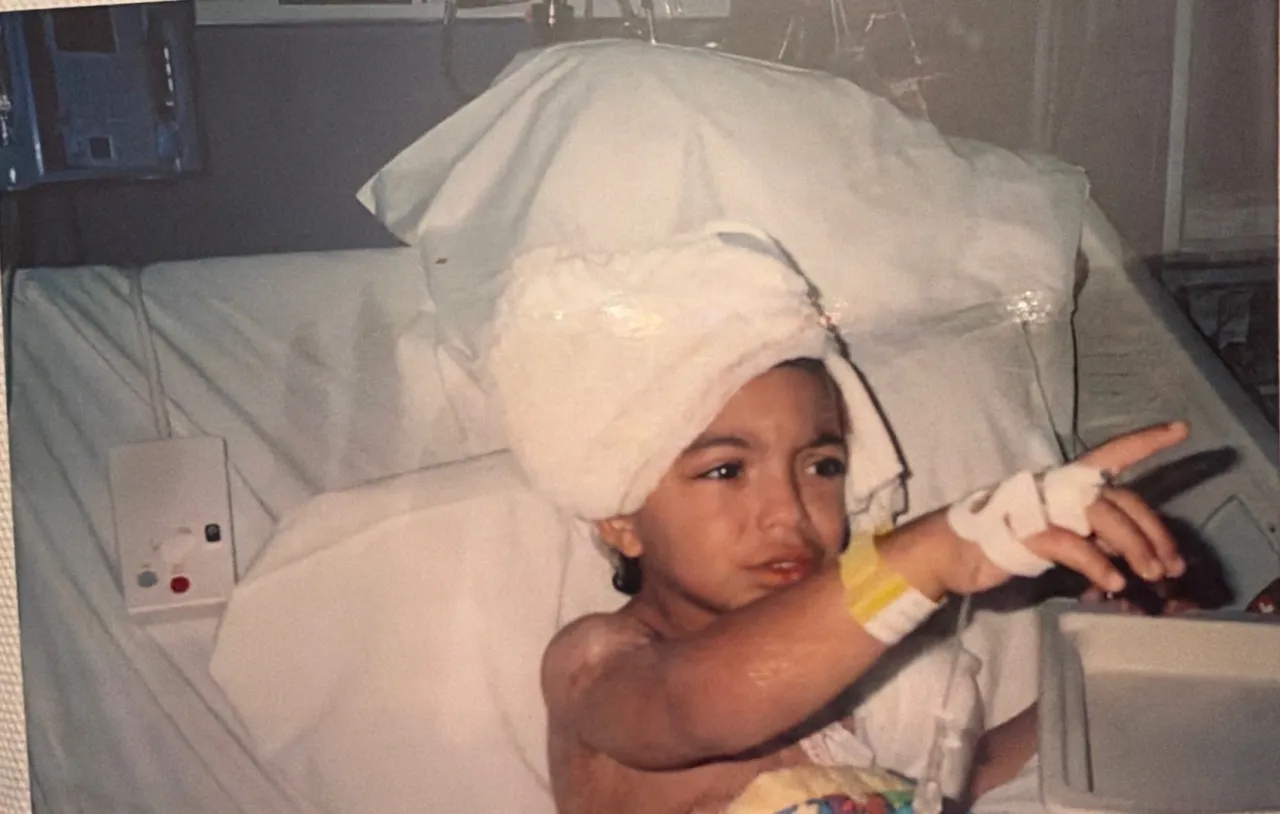
My mom didn’t give up. She prayed, and she said I would be all right. For six months I lay in intensive care, kept in a chemically induced coma because the burns were so bad. And then I woke up. To me, that was a miracle. God blessed me to wake up that day.
I spent two years at Shriners Hospital, and my mom, Jessie Martorell, never left my side. For a while, she was even my scrub nurse. Through every therapy and every surgery, she told me the same thing: never give up. We just have to adapt, and I’ll be able to accomplish the things I want to do.
I’ve carried that with me my whole life.
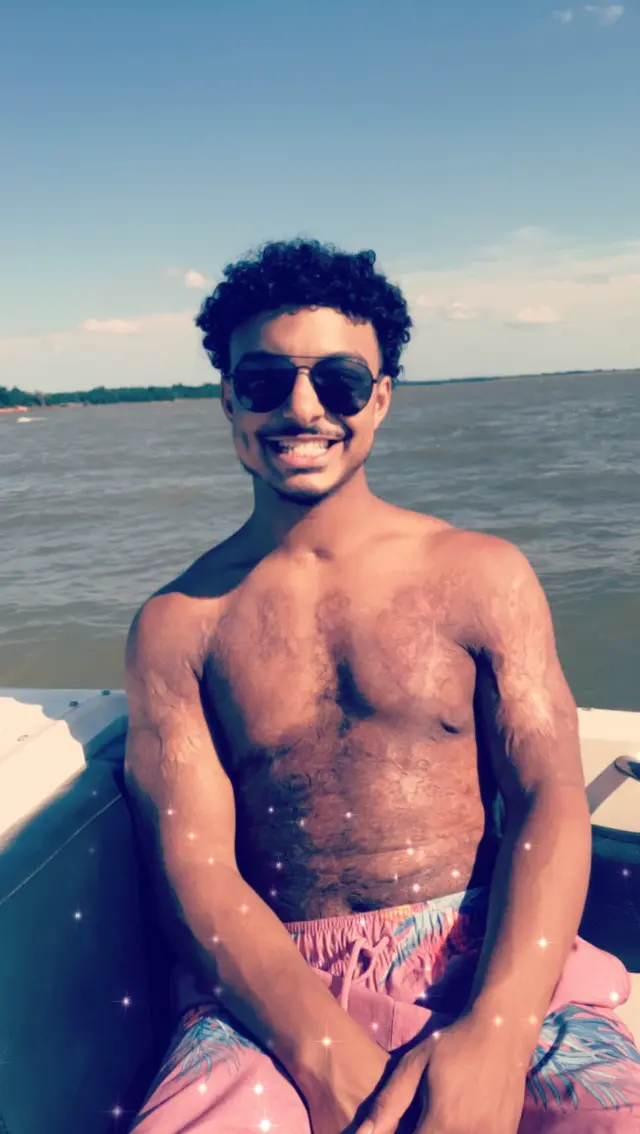
Growing up
Going home didn’t mean the hard part was over. Until I was 11, I had 7 to 10 surgeries a year: skin grafts, and work on my leg. My mom stopped counting at 50. That’s more than 50 times going under anesthesia, and under the knife.
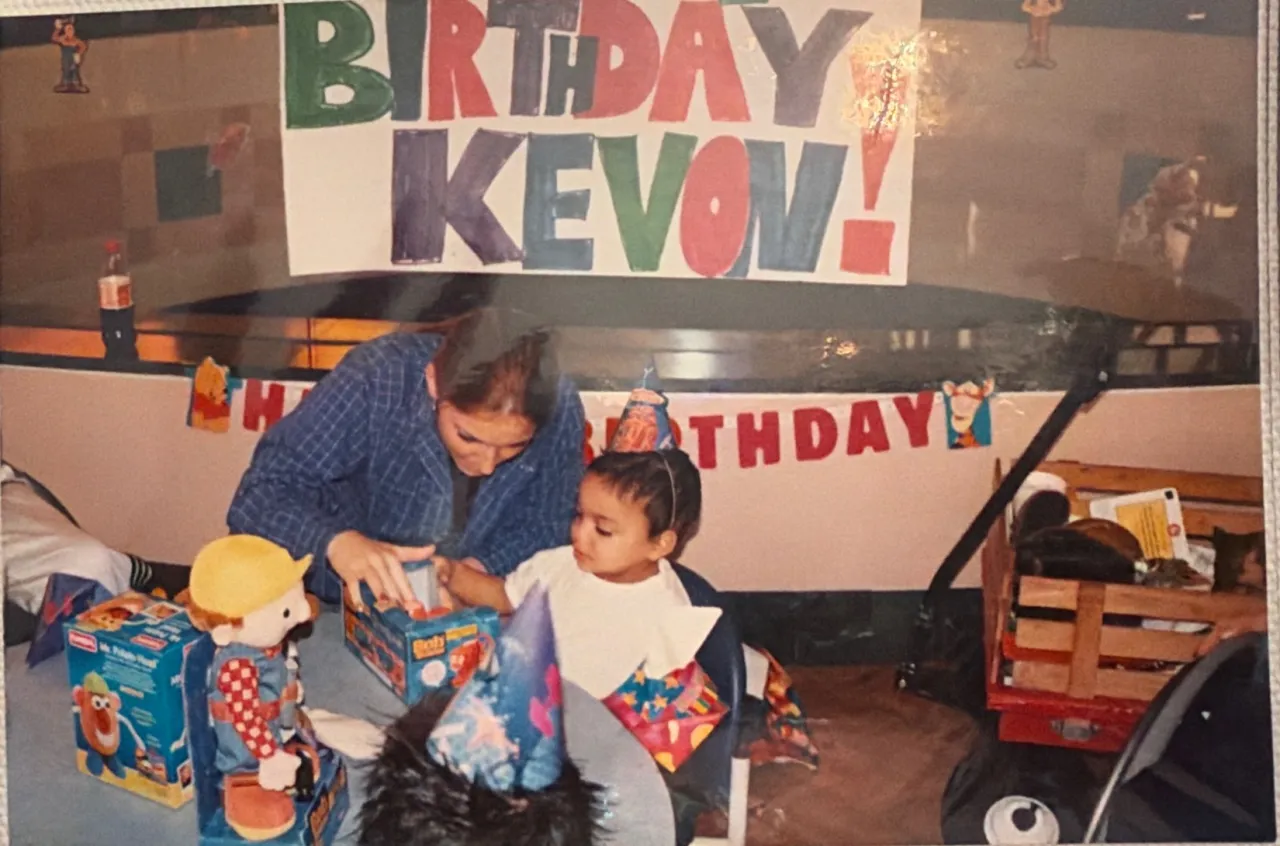
The burn left my Achilles tendon three inches too short, so I walked with one foot flat and the other on its toes, and it hurt a lot. In fourth grade, I had a halo, a metal frame, put around my foot to try to fix it. That meant a wheelchair, and medicine that made me fall asleep and drool in class. Kids bullied me for being different. It was a rough young school life.
But some things got me through. Around 8, I went to burn camp, and it was awesome, a place I’ll never forget. There, I was surrounded by people like me. I didn’t feel alone. For once, I felt normal.
Then, when I was about 9 years old, I found sports. I played them all, and every one of them had an amazing impact on me.
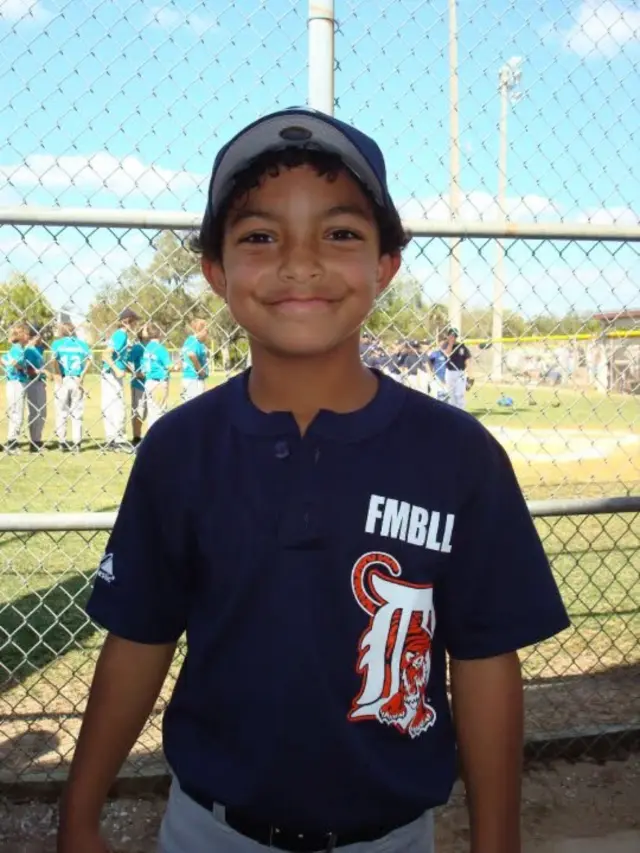
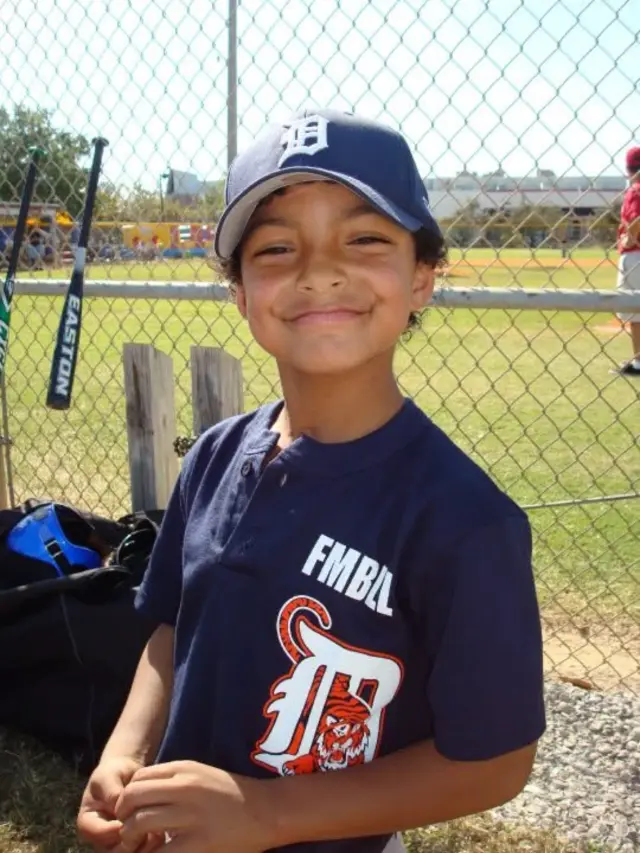
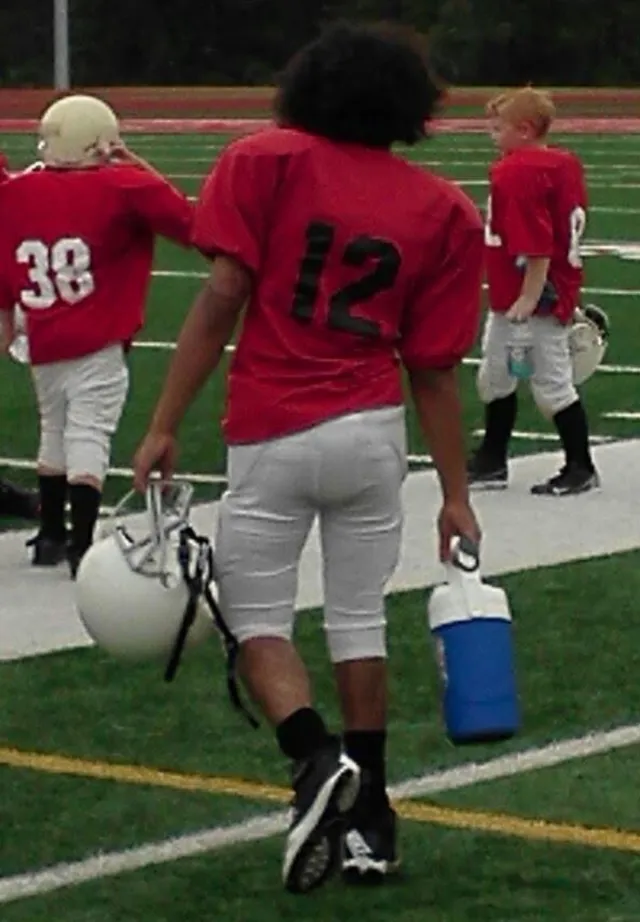
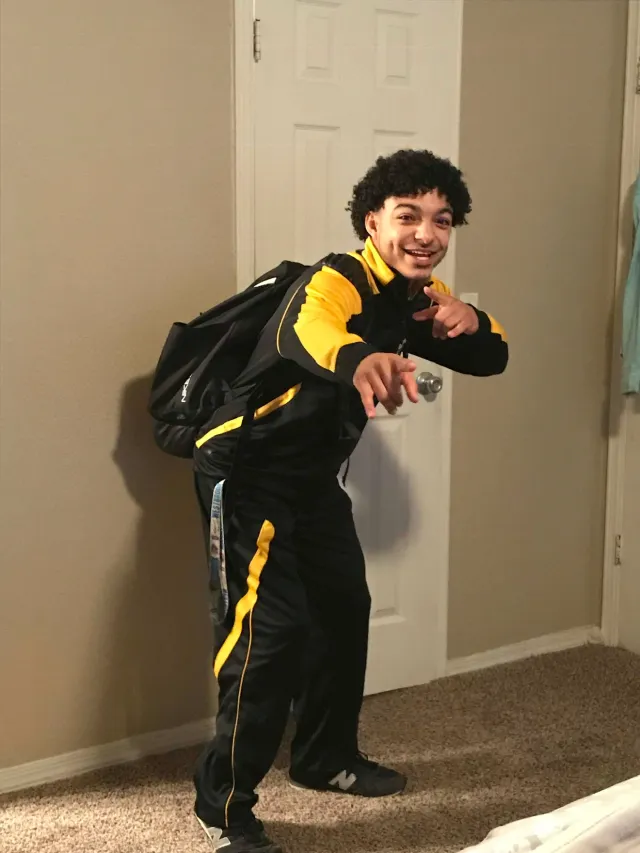
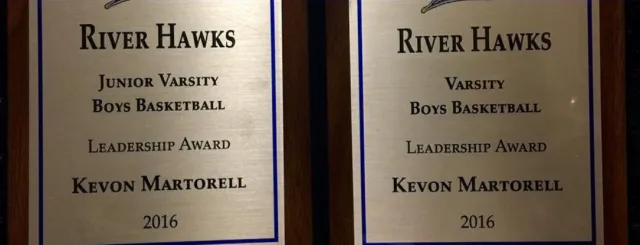
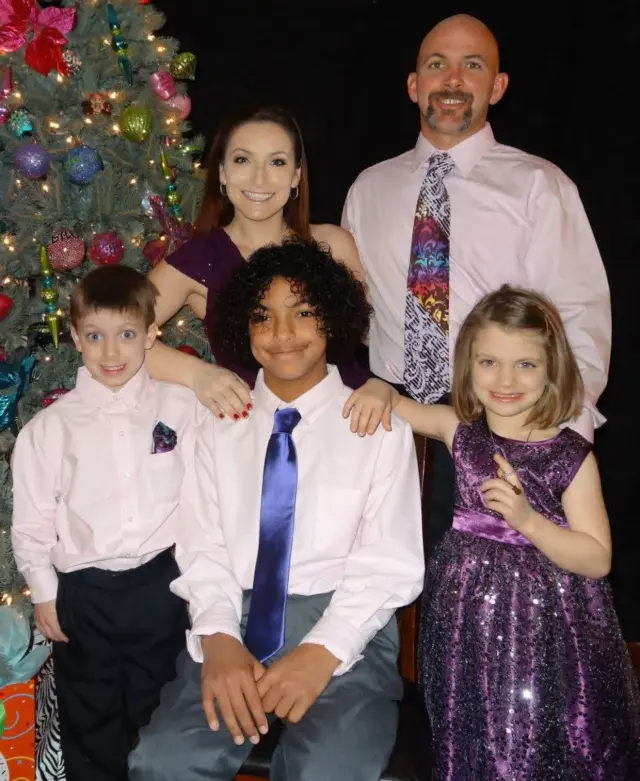
A team meant people I could depend on. It meant I was good at something, and useful. Between that, my mom, my dad and my family, I had what I needed to keep going.
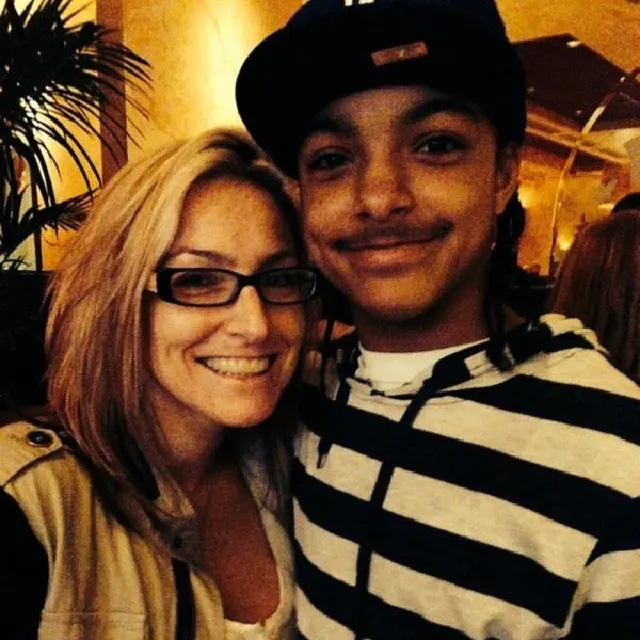
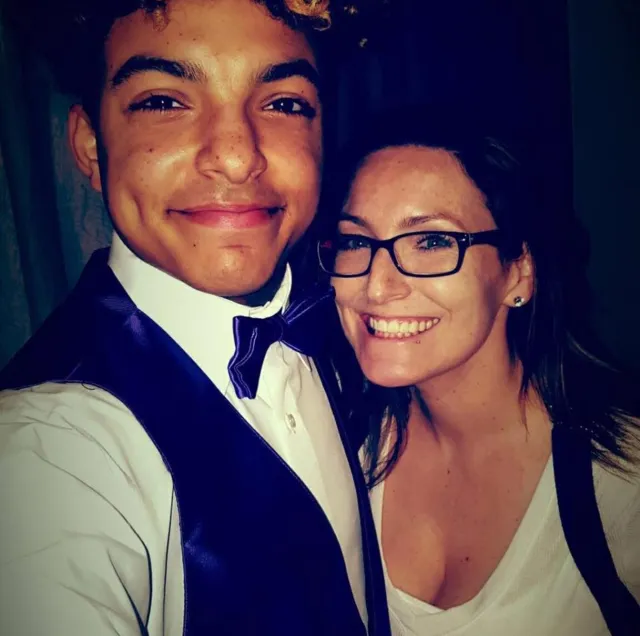
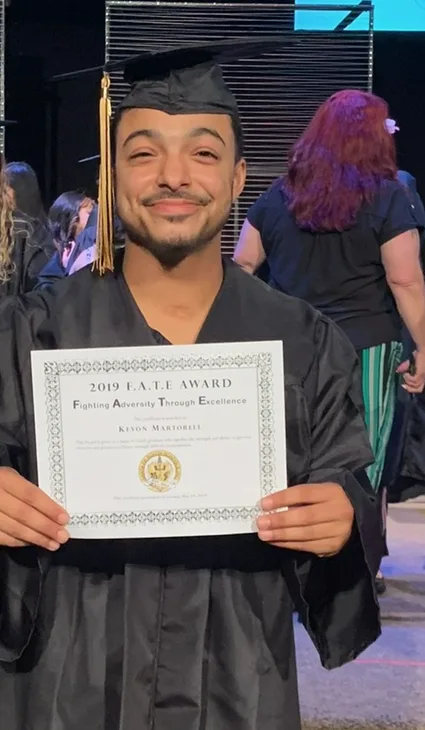
Eighteen
Years of burns, sports and just living life left me with a lot of pain in my hip, lower back and foot. I went to doctor after doctor, and had X-ray after X-ray. Every answer pointed to the same place: the only way the pain would go away was to amputate.
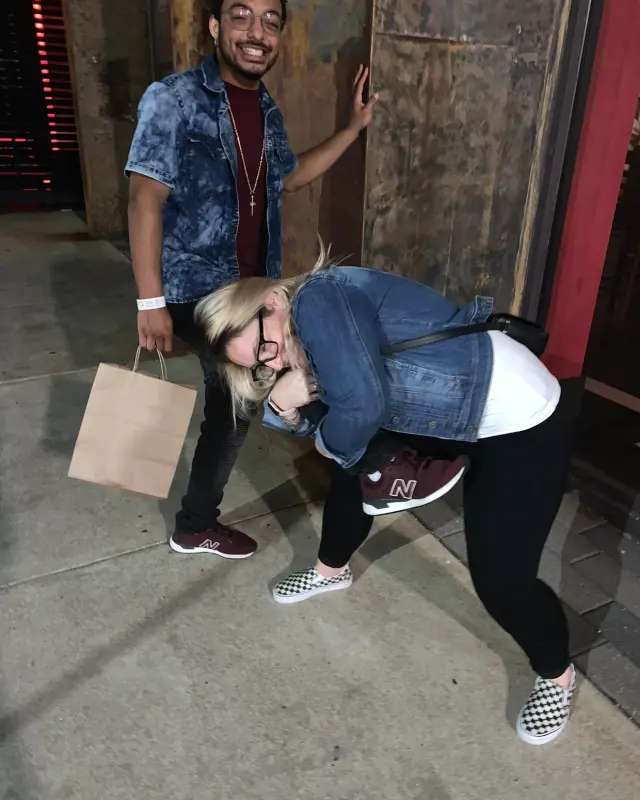
It was a scary day. A rough day. At 18, I had my amputation.
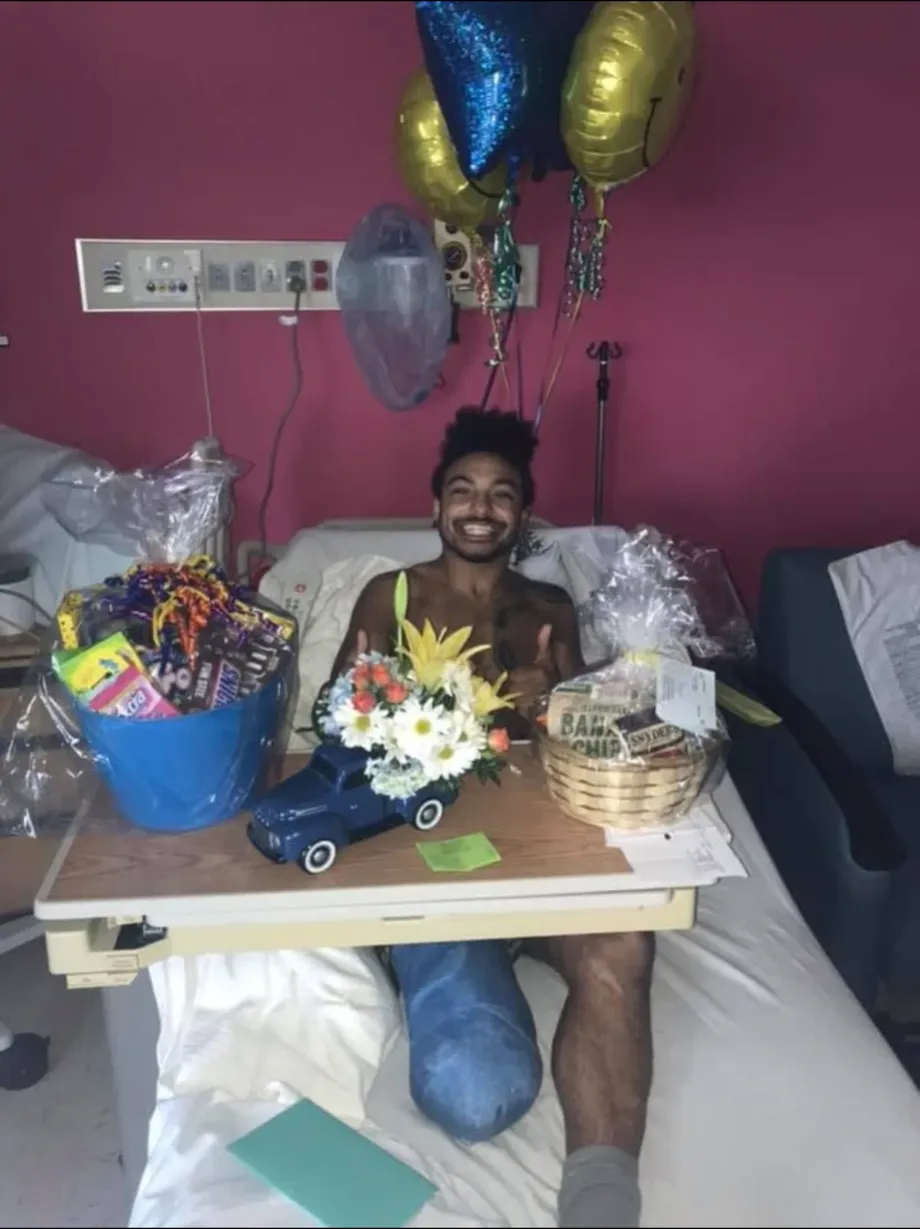
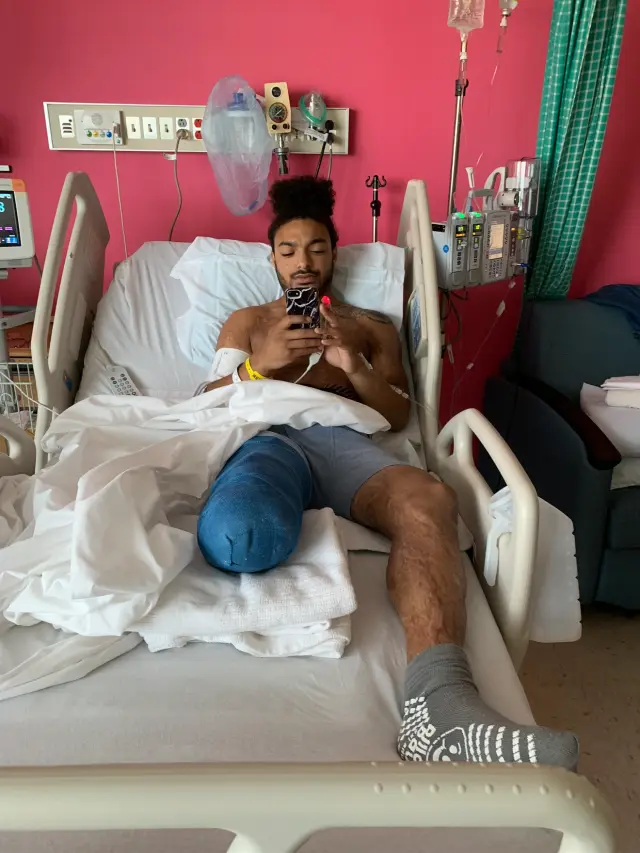
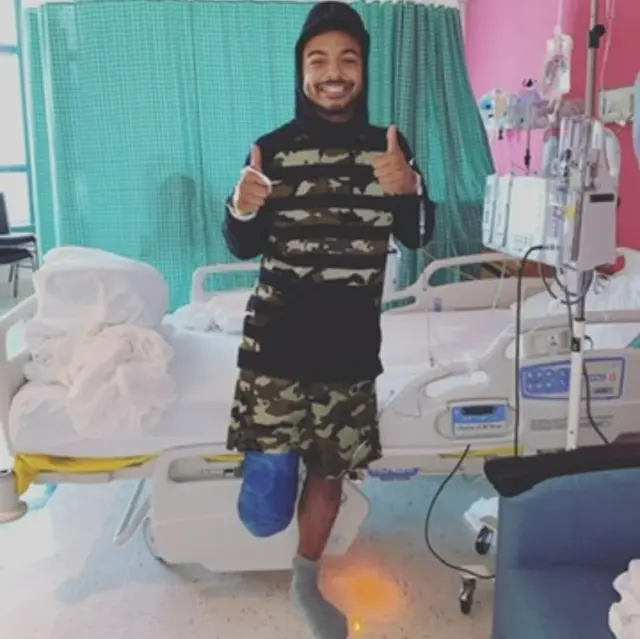
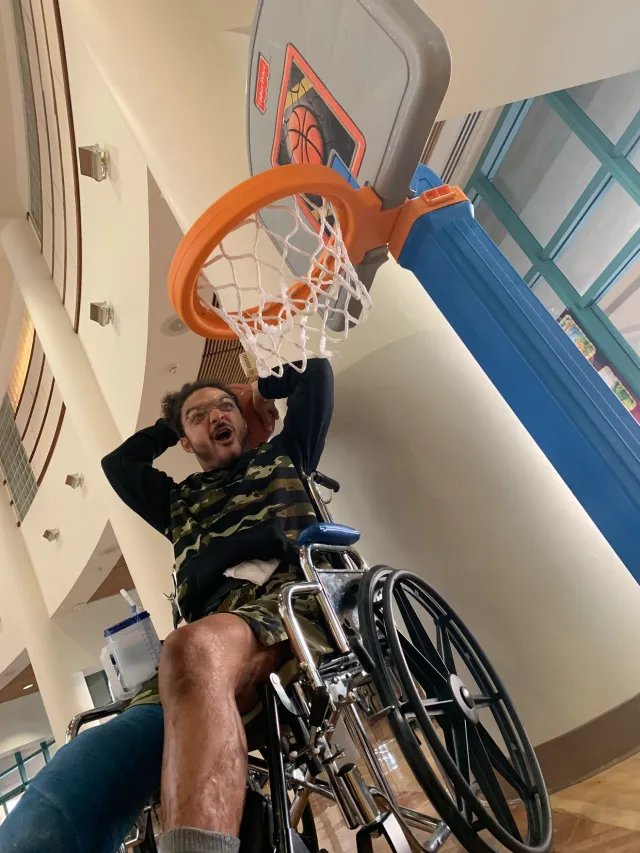
And then it got worse. Over the next six months, I got three infections: two in my skin, and one in the bone. I went from emergency room to emergency room, but since they hadn’t done the surgery, nobody wanted to touch it. When I finally got into wound care, they took a culture with a big swab, and it went into my leg about a pinky deep. That wasn’t supposed to happen. I went into emergency surgery. Wound care was a blessing, and I swear by it.
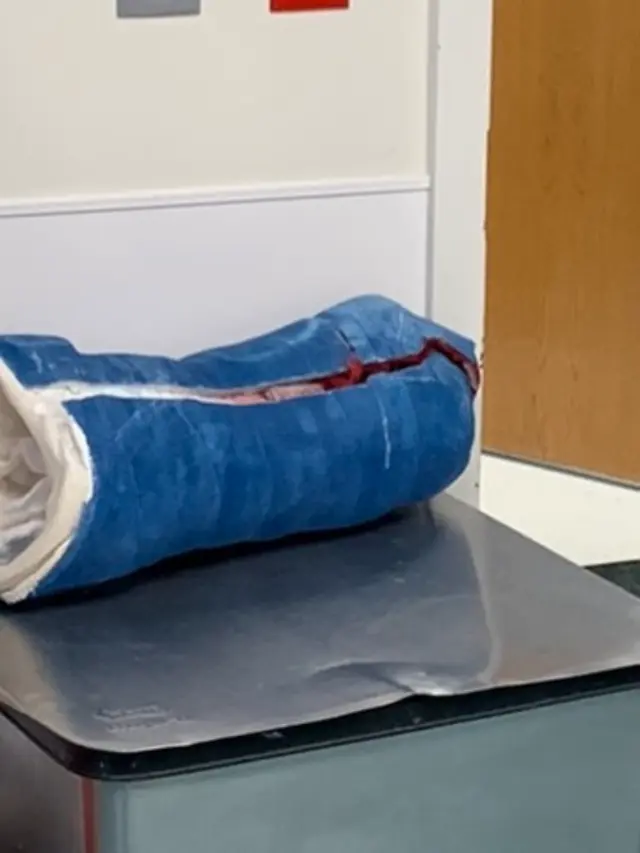
Graphic medical photoTap to show it.
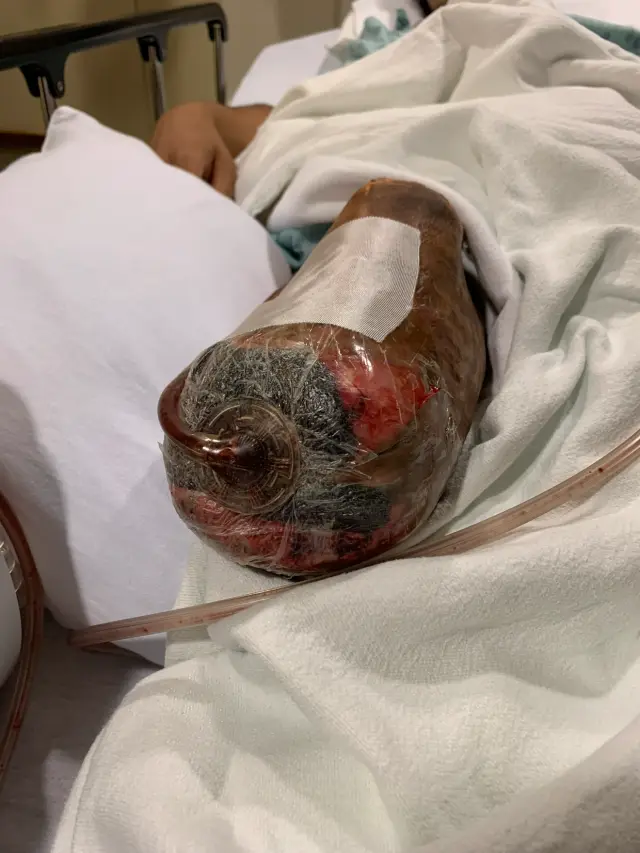
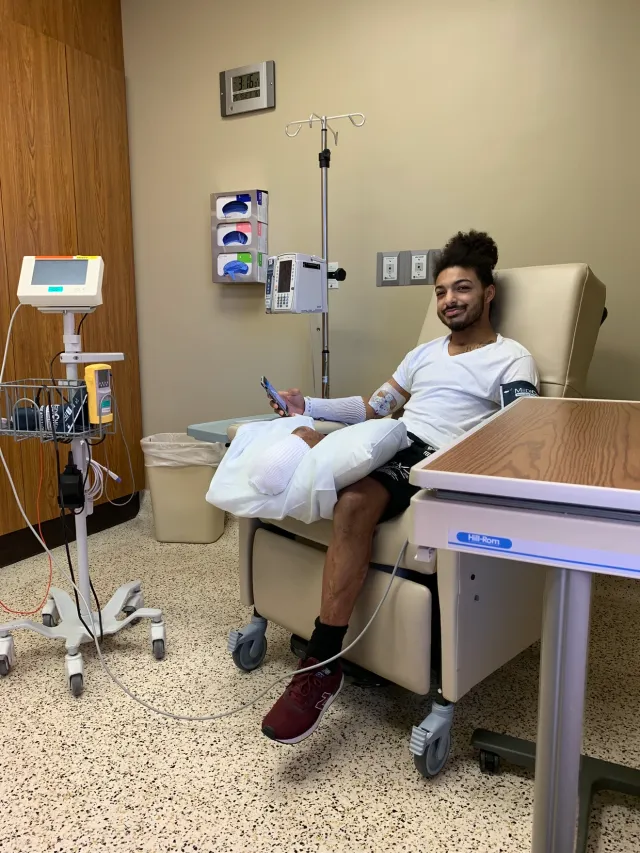
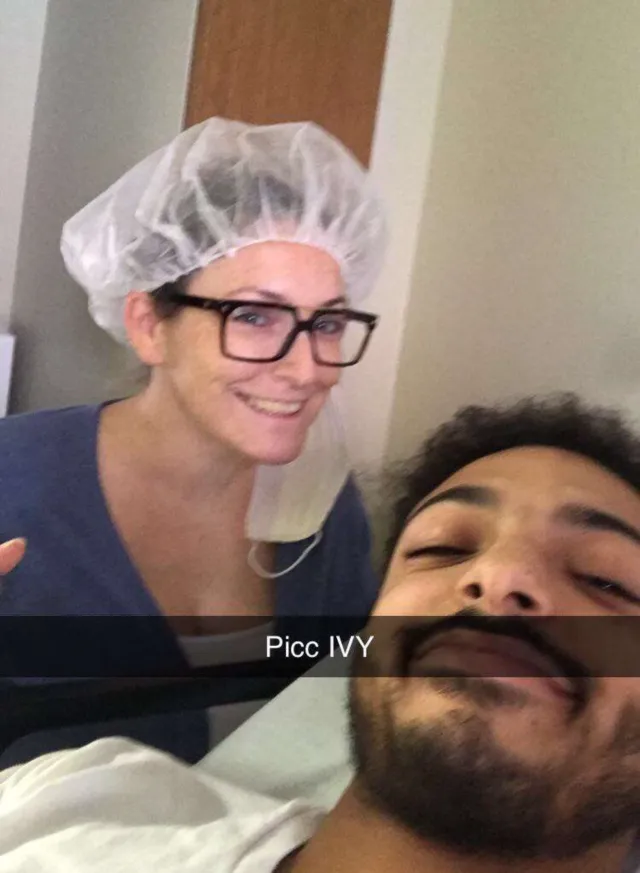
The infections ate away the muscle at the bottom of my leg. That was the hardest part: realizing I can’t be fitted for a prosthetic leg unless I amputate again, above my knee, and I’m not ready to do that. Or I wait for some future technology. That’s one more reason I’m building Adapt & Triumph: to help push that kind of progress forward.
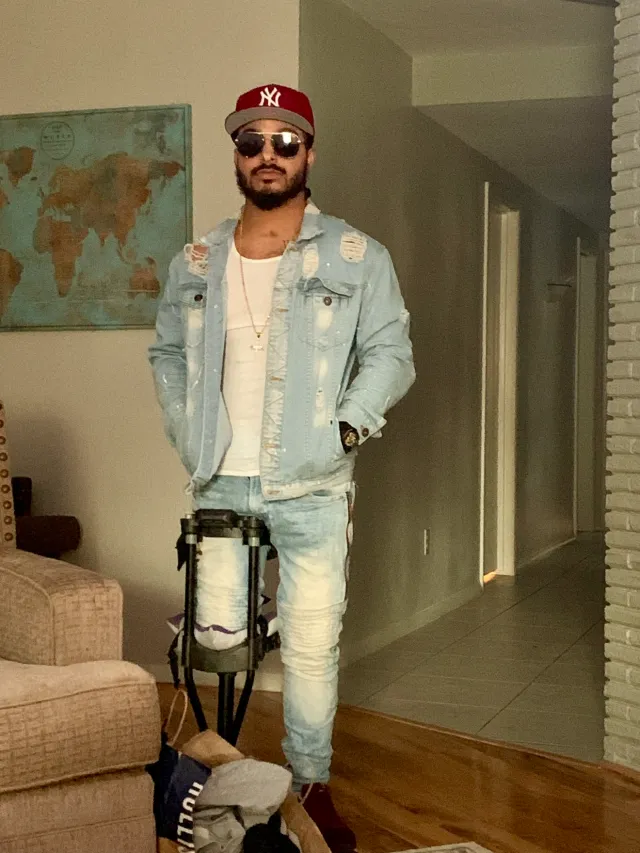
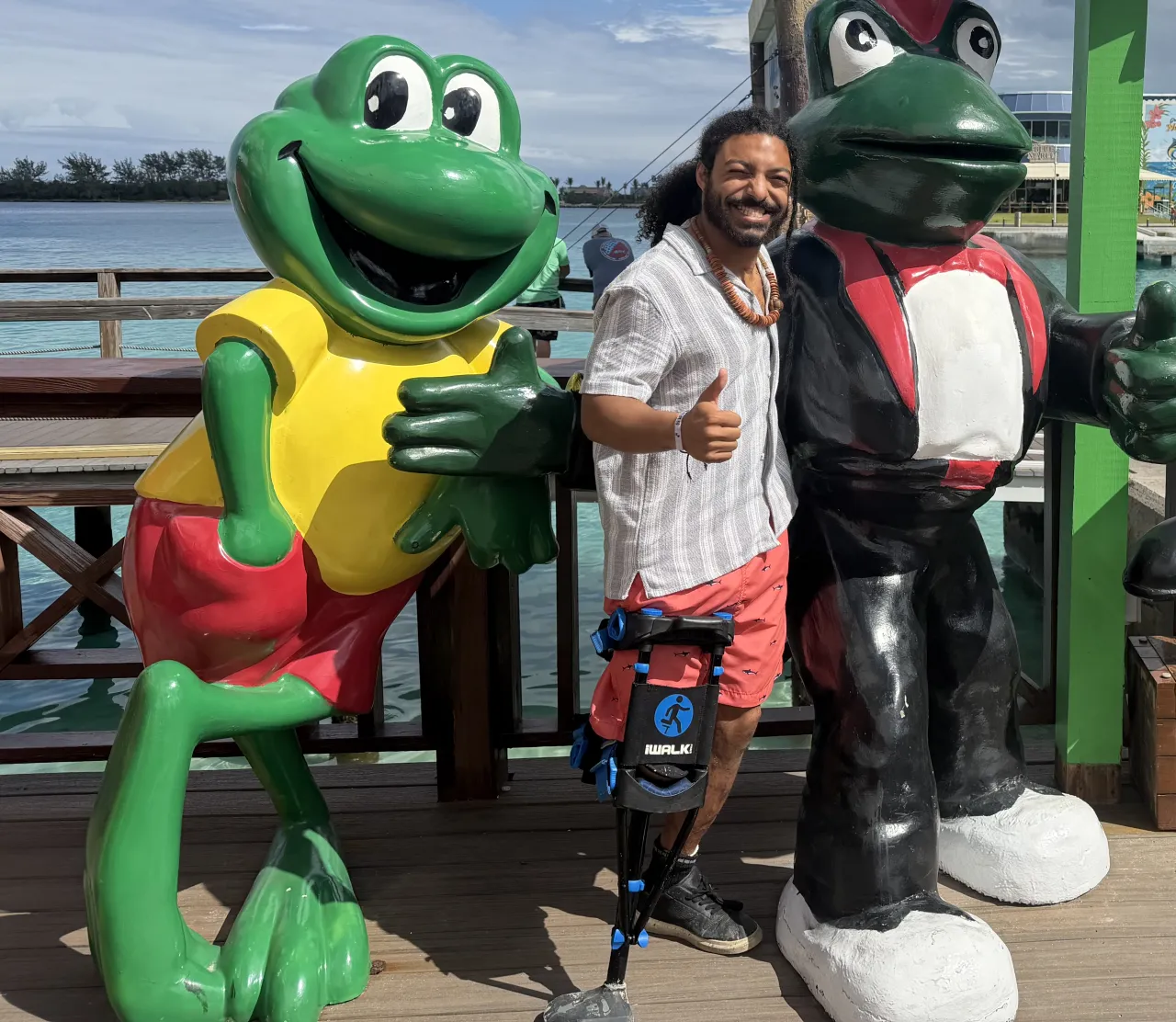
For a while, I got around on two-handed crutches and a wheelchair, and I just didn’t like it. Then I came across the iWALK 2.0, a hands-free crutch, and showed my mom. “Let’s try it.” The person using it had a foot, but it straps on. Just because I don’t have a foot didn’t mean I couldn’t use it.
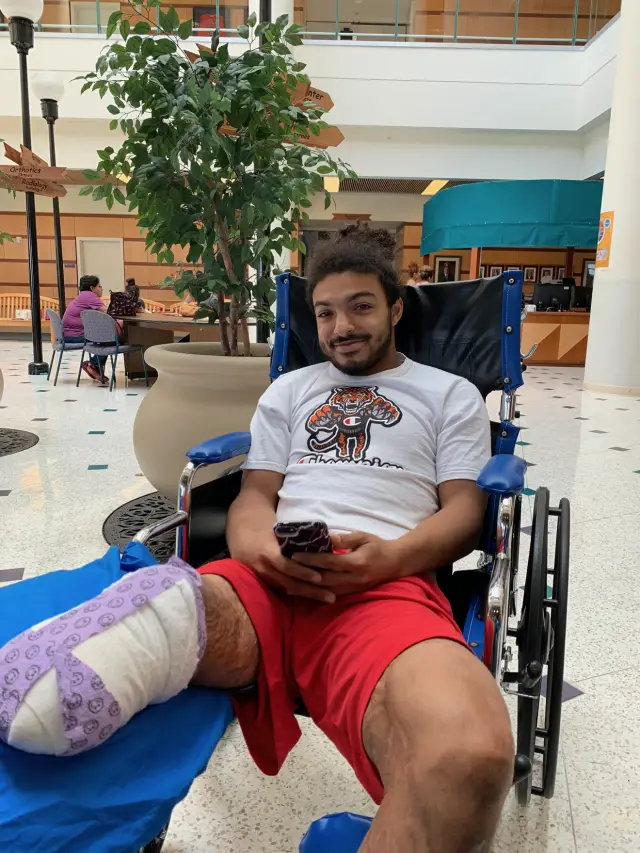
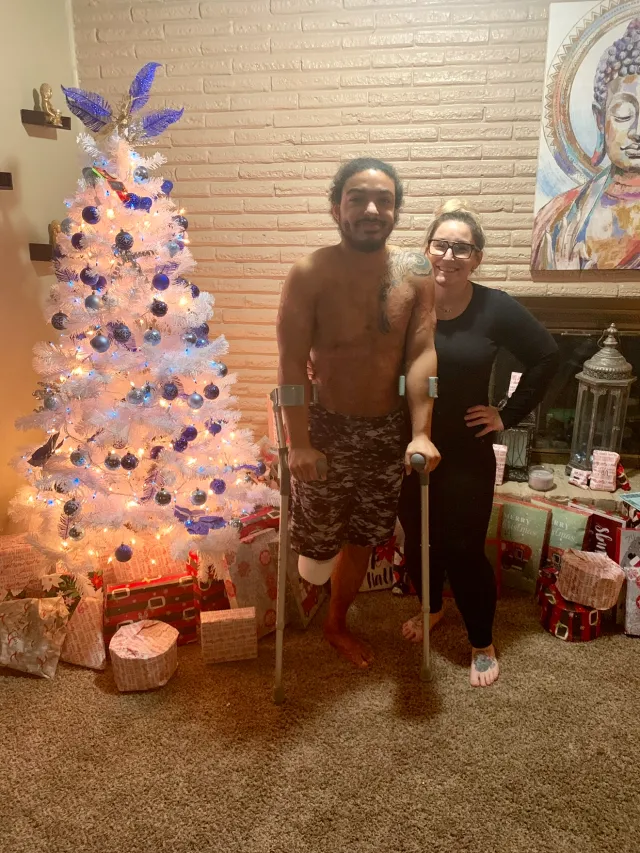
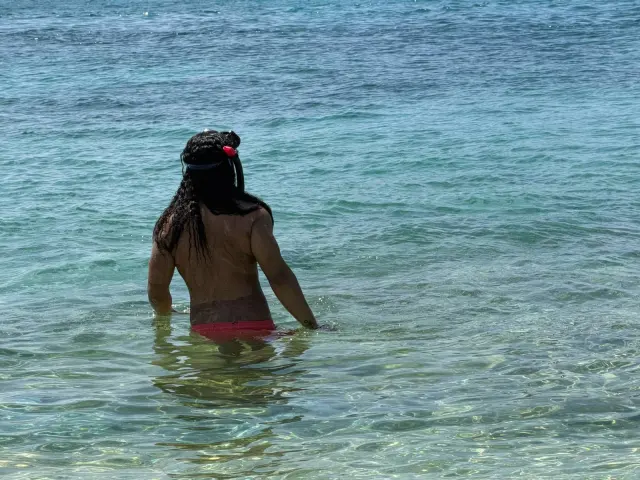
It hurt the first day. It hurt for the first two weeks. But I got a knee pad, and little by little I figured out how to move on it, and learned what I can and can’t do. Since 2019, I’ve used it for absolutely everything.
Why the apps didn’t work
Workout apps never fit my body. They had nothing for burned skin, or for an amputation. They could log what I did, but they never changed anything based on what had happened to my body lately, how I was feeling, the conditions and disabilities I live with, or what a food might do, like cause a flare-up.
For me, that’s the stuff that matters most.
Building it
By day, I’m an engineer. I build smart sensors that watch water levels in city pipes around the clock, so cities can catch problems early, prevent overflows and save money.
But one moment changed how I saw my future. I walked into a store to apply for a job. The man looked at me and said, “You can’t work here.” I told him I could pick up boxes. I could ring up orders. He said it just wasn’t safe, “with your leg like that.”
I said okay. And that’s when I realized I had to do something for myself: keep moving forward, adapt and triumph over whatever comes my way, and help the people around me as best I can.
In 2020, I went looking for workouts made for me, and there was nothing for a body like mine. Some YouTube videos. Some popular people on social media. But no one place with workouts and nutrition fitted to me, plus motivation and videos, all right there. It felt like something people really needed. So I decided to build it myself.
It’s been a lot of back and forth since: upsetting times and great times, disappointments, and moments that made every one of them worth it.
The name, and the dragon
I love the name Adapt & Triumph because it’s my life. I’ve had to adapt, and triumph over a lot of obstacles, and I believe that’s possible for everyone. I want to help people do it. It’s what my mom taught me.
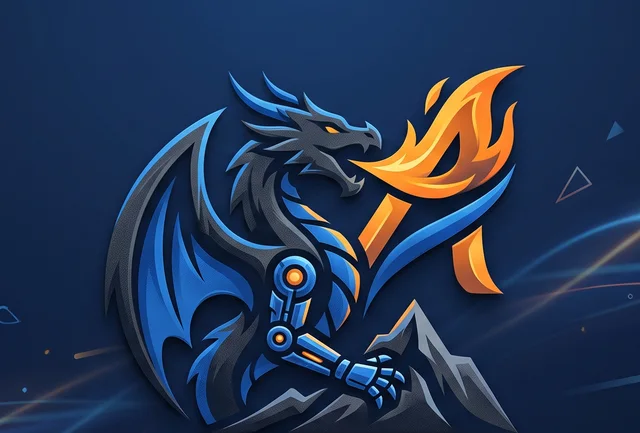
The dragon with the prosthetic arm stands for that. To me, a dragon means strength, wisdom, courage and durability: something that adapts, and triumphs over whatever comes in its path.
Who it’s for
I picture anyone with a condition or a disability who wants a workout and nutrition app that understands what’s going on in their life.
But anyone can use it. Life can change in a moment, and even without a condition or a disability, there’s so much in the app for you.
Where it’s going
I want Adapt & Triumph to be one of the places people with conditions and disabilities choose to train: a way to connect with people, to not feel alone, and to accomplish what they set out to do.
No one should have to go through what I went through, or feel like they’re going through it alone. Looking ahead, I want to help make prosthetics and other mobility devices easier to get for people living with all kinds of conditions and disabilities.
And if you were just burned, or just lost a limb: you’re not alone. Trials will come. But you have the strength, and the adaptability, to triumph over whatever comes your way.
I hope my story makes you feel understood, and shows that challenges that seem impossible are very possible to get through.